Minimal Basics For Cooking

To cook you need implements to cook with, to cut with, to cut on, and to serve. As a single guy, I learned to use just some basics. I promise I won’t go overboard with what you need.

The essentials:

Get a chef’s knife, Marshall’s sells them for $10-30, buy one.

A fry pan, your choice, stainless or non-stick.

A sauce pan 2 quart-ish, small

A pasta pot 6 quart or bigger with cover

A cutting board A strainer of some sort

A few big wooden spoons

A spatula

A Salad Bowl

A fork and spoon salad server

A big stainless fork and big stainless spoon (these are at Bed Bath and Beyond for $10 each)

A splatter screen that fits your fry pan (keeps messes down)

We’ll buy more as we progress, but we can have a good time with these.

Posted in Implements | Leave a comment

The Mind Changers – A Novel

John Parker discovers he has a past that doesn’t match with his memories. He and a friend worked on a government project a decade ago and he used it successfully on himself. He, his wife Karen and a few friends delve into the secret past and the trail of documentation he left long ago.

The Mind Changers is a suspense science fiction work. If this were a movie, it would be PG-13, perhaps R because of language, and discussion of adult relationships. There are scenes with discussion of sex, and hard-core computer systems talk. OK, that’s a joke. But I wouldn’t give it to my young teen unless you allow them to watch R movies. It’s not that intense, but it’s got that content.

This is my first novel, I wrote it over 25 years ago. Some of the technology discussed is old fashioned now, but I left it as is. The feel you get from it will still drive the point home.

Why so long to publish? Well I used a word processor that is no longer viable. As such all the words had to be transferred to a new format. I did that several years ago and the process was exhausting and not nearly complete. The files needed more help.

Long story short, I finished putting the book together today and offer it to you for free for personal use only. This is copyright Joseph A. Sabin Jr. and may only be reproduced to read it. I retain all rights to the words and ideas in this book.

You agree to this copyright when you click the download of the file on that follows. The Mind Changers

I hope you enjoy it, I still did as I read much of it as I put it into this final format. If you discover any obvious flaws in this PDF file, please comment here and I will attend to them.

Joe

Posted in My Writing | Leave a comment

Early Astronomy Drawing

Triggered by the space missions to the moon, and the earlier orbital flights, I wanted a “big” telescope. My best friend’s father had a 6″ reflector. I looked at buying one, but it was way out of my ability. So I made my own. I ground and polished the mirror, made the mirror mount in shop class, and had the mirror aluminized at Denton Vacuum in NJ. By late 1969 it saw first light.

Here is an early drawing I did of Jupiter. I was 16 years old and I guess a bit romantic about what I saw. I found this drawing a few months ago and thought I’d share.

Posted in Early Work | 1 Comment

Mets First 2016 Home Spring Training Game

Here are a baker’s dozen photos from the first game at First Data Field in Port Saint Lucie, Florida. We promised to share some photos, so here they are. Hope you enjoy.

You can click on an image to see larger ones. Saturday February 25, 2017. These are for non-commercial use only.

12 9 10 11 7 8 6 5 2 3 4 1 13

Posted in New York Mets | Leave a comment

Handmade Bouzouki

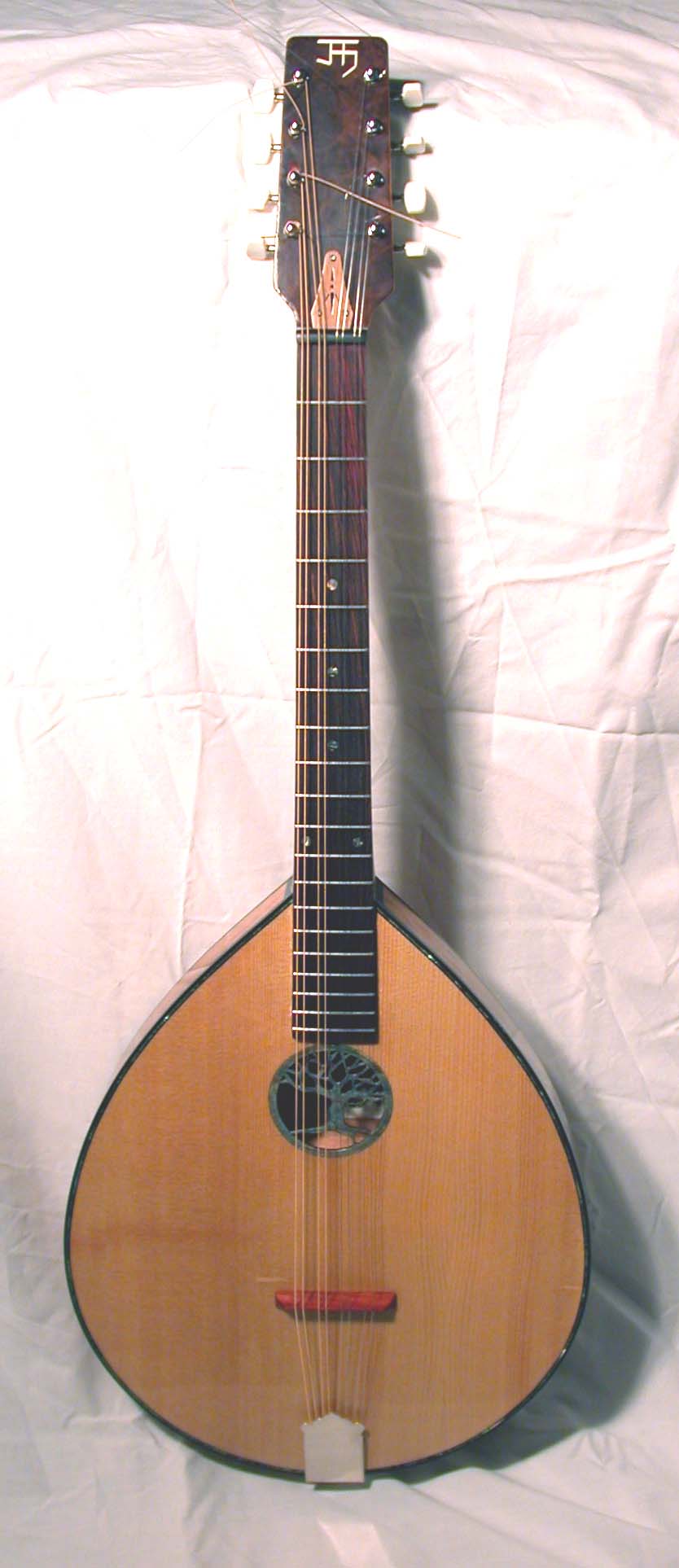
Several years ago I built a musical instrument called a bouzouki. It is built as an “octave mandolin” such as it is one octave deeper than a mandolin is typically tuned.

My niece’s husband had commented on my teardrop mandolin I had built a few years earlier. He said he’d like one if I got around to it again. Well I didn’t, but sort of, this is the result.

Any of the following images can be clicked on to show larger versions.

Finished Bouzouki Front

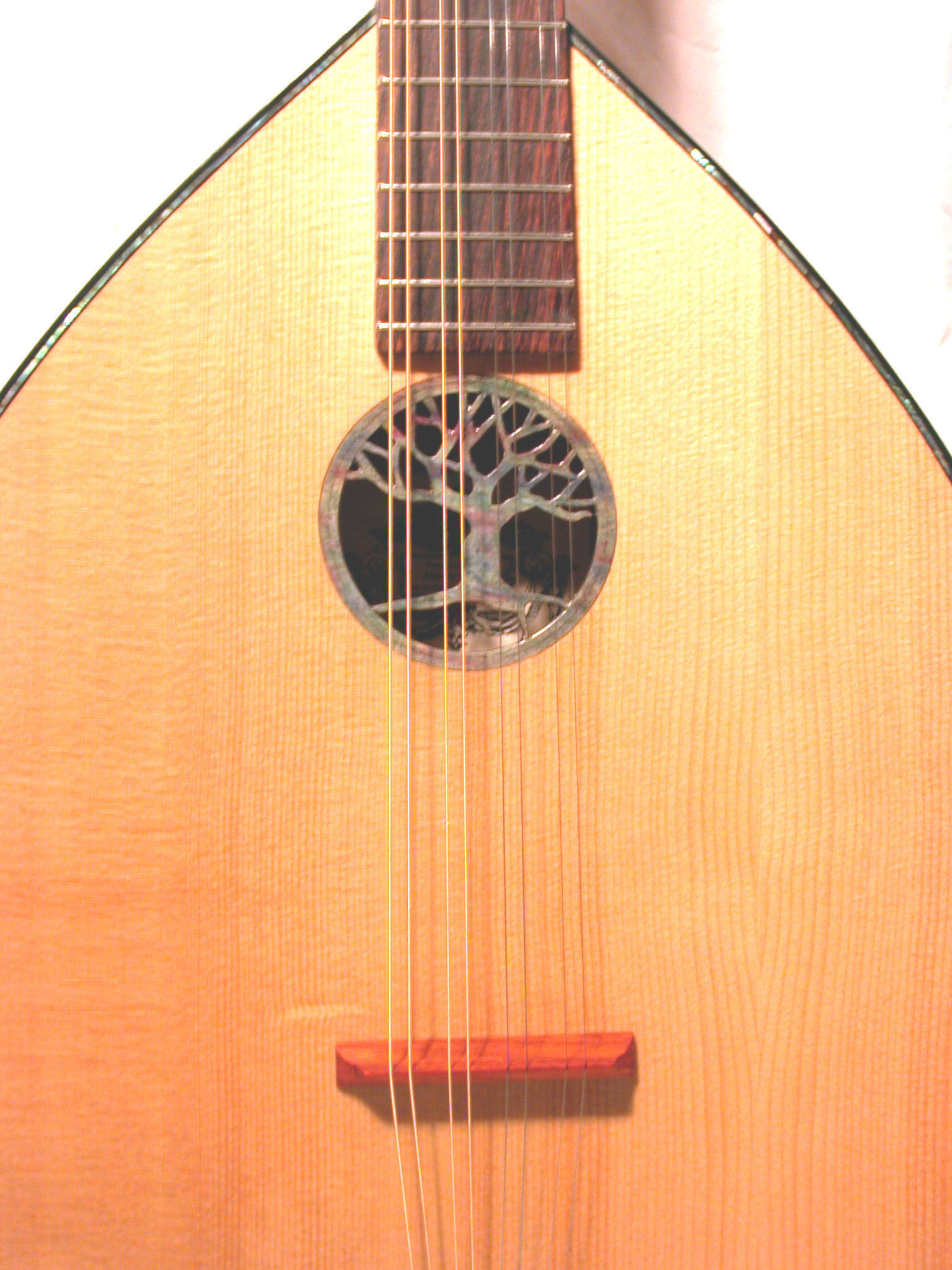
Detail of the front shows how I tried to match the wooden rosette with the perfling.

Finished Bouzouki Detail

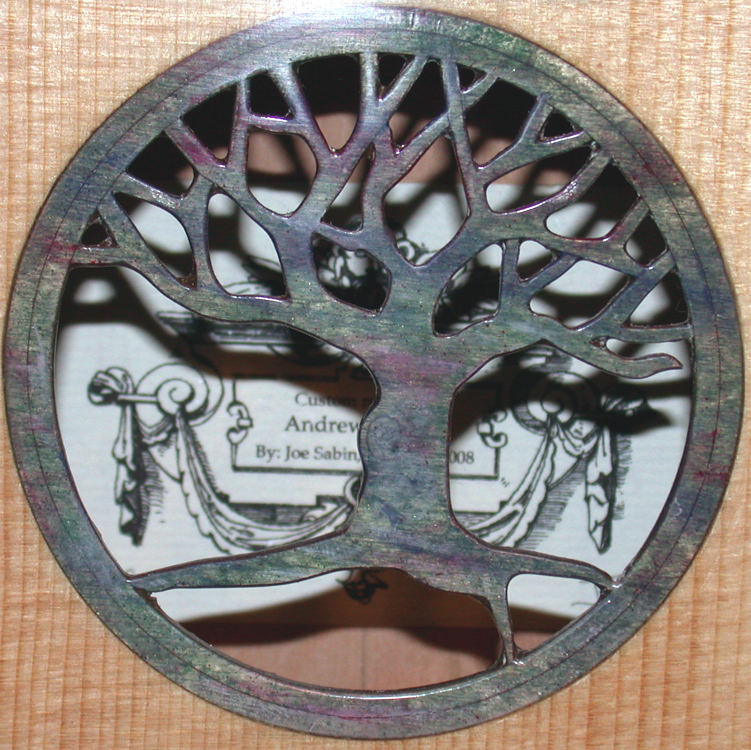
The rosette was wood, which I painted with multiple layers of gloss spray paints. I sprayed a little green, blue, silver, white, etc. over and over again as they mixed together to form a complex look of abalone-like sheen.

Finished Rosette

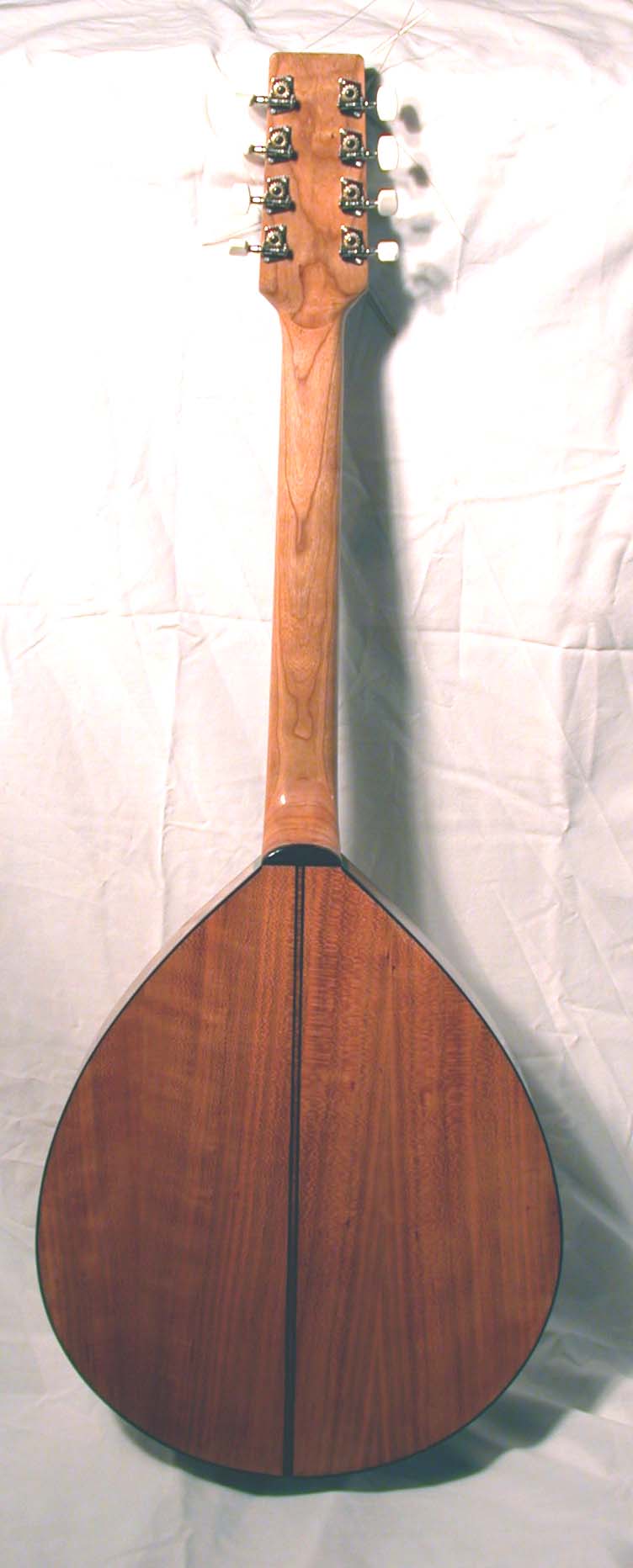
The back was plain, so I decided to add a center line to look like it was a split back. It is not split, but I thought it looked better.

Finished Bouzouki Back

The entire instrument received 20 coats of sprayed on lacquer. I buffed them every 3-4 coats to make is smooth. Ultimately polished it to 2,000 wet coat sand paper. Then buffed it with piano polish to a mirror finish.

I’m pretty proud of this instrument as it sounded terrific, it also looked pretty good too.

The symbol on the head of the instrument is a combination of my initials JAS. Something I’ve done since I was in middle school, in the style of Albrecht Durer.

Posted in Woodworking | Leave a comment

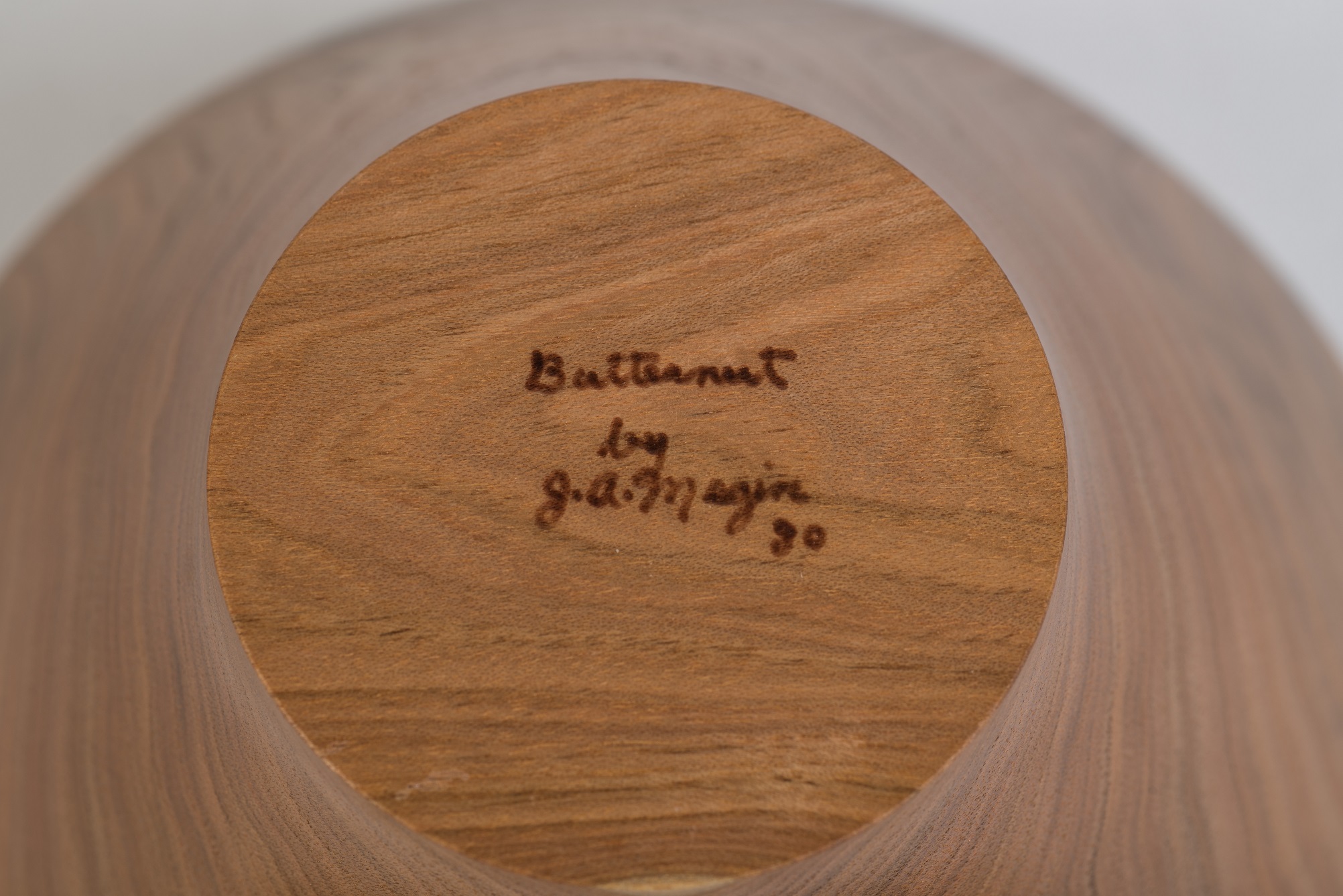
John Megin’s Butternut Bowl

This is the first detailed post of one of John’s bowls. Click on any picture to see a much more detailed look. Both NB and I own one made in this style. This is one of the earlier iterations of this “flat top, small opening” bowls he made.

Butternut topButternut Bottom

Photo credit: Clifton Eoff — http://www.cepimage.com

Bowl makers had to fashion their own tools back then to allow them to carve the inside of the bowl. John told me he was not satisfied with a bowl like this until the entire bowl had essentially the same thickness all around. Right into the corner as the top turned to the base. Only the base could be thicker.

Notice in the following photograph how thin the edge of the bowl is. That thickness is how thick the bowl is all around its body too. John was meticulous about this work.

Butternut side

Photo credit: Clifton Eoff — http://www.cepimage.com

Finished in 1980, it probably started out as a block of wood John gathered and carefully dried for a few years before turning a rough bowl. That rough bowl would sit for a while until the wood stabilized and then he’d finish it to what you see here.

As a testament to his careful work, this bowl is 36 years old, yet it looks like it was made yesterday. John Megin was truly a master of the bowl turning art.

Posted in John Megin, Woodworking | Leave a comment

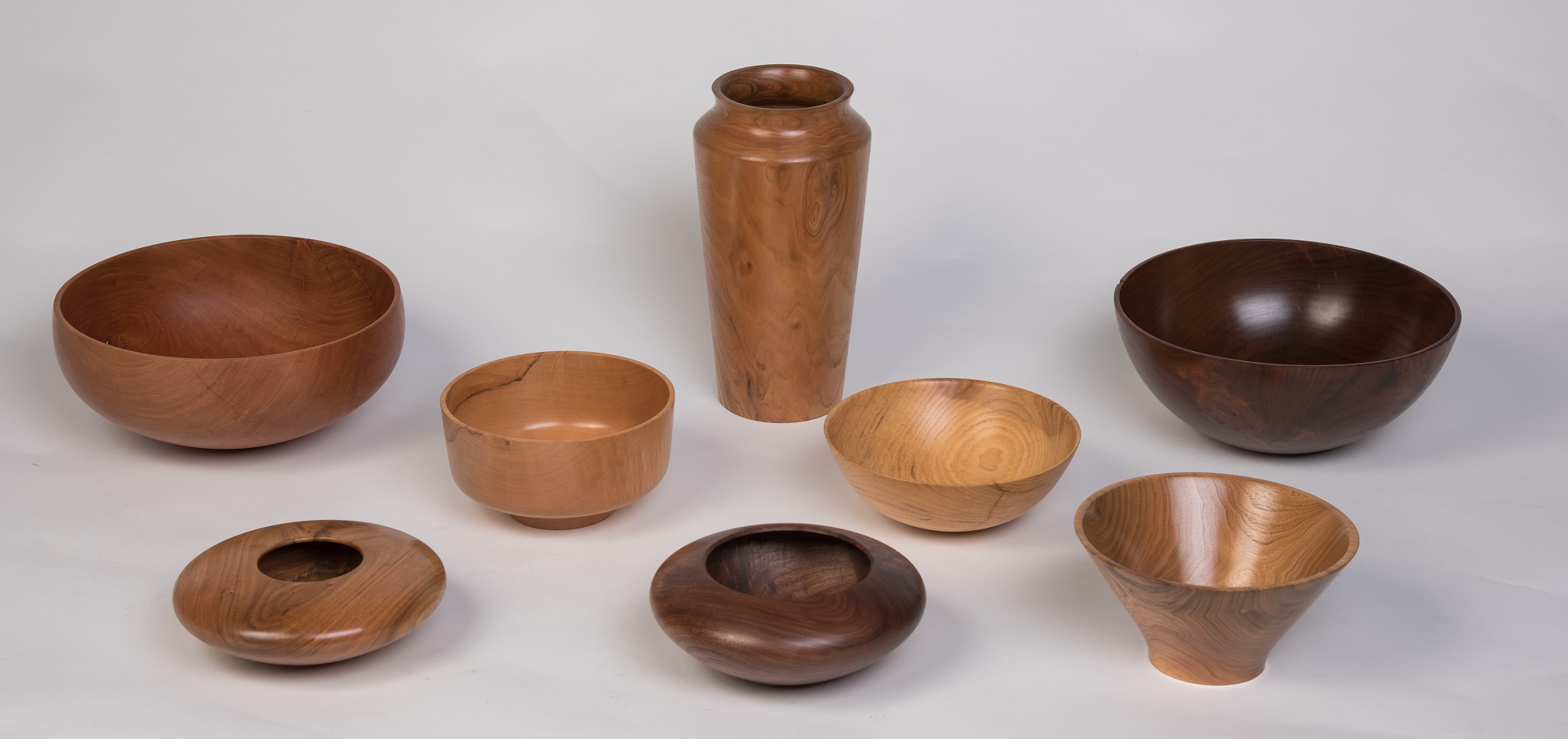
NB’s John Megin Bowls — Overview

Just recently, as mentioned in an earlier article, a mutual friend of John Megin reached out to me. They wanted to share photos of their bowls. Just this week they had a professional photographer create a series of images of John’s bowls. This is the first post of them. They are all gathered here for us all to admire:

John Megin NB All Reduced

Photo credit: Clifton Eoff — http://www.cepimage.com

I have received additional information about the bowls, and a series of pictures of each of them individually. These bowls and my bowls will be featured over the next few weeks. I will add personal commentary as I knew John quite well. He and I discussed bowl making and his approach. I will try to describe how I think he would describe the bowls as I reveal them one by one with their detailed images.

Hope you all enjoy!

Posted in John Megin, Woodworking | Leave a comment

John Megin’s Bowls

It’s been a long time since I first wrote about John Megin. A mutual friend of John’s reached out to me last week and got me going again. NB didn’t know about John having died and I suppose that was quite a shock to see it on my site for the first time. We exchanged a few emails about our experiences with John.

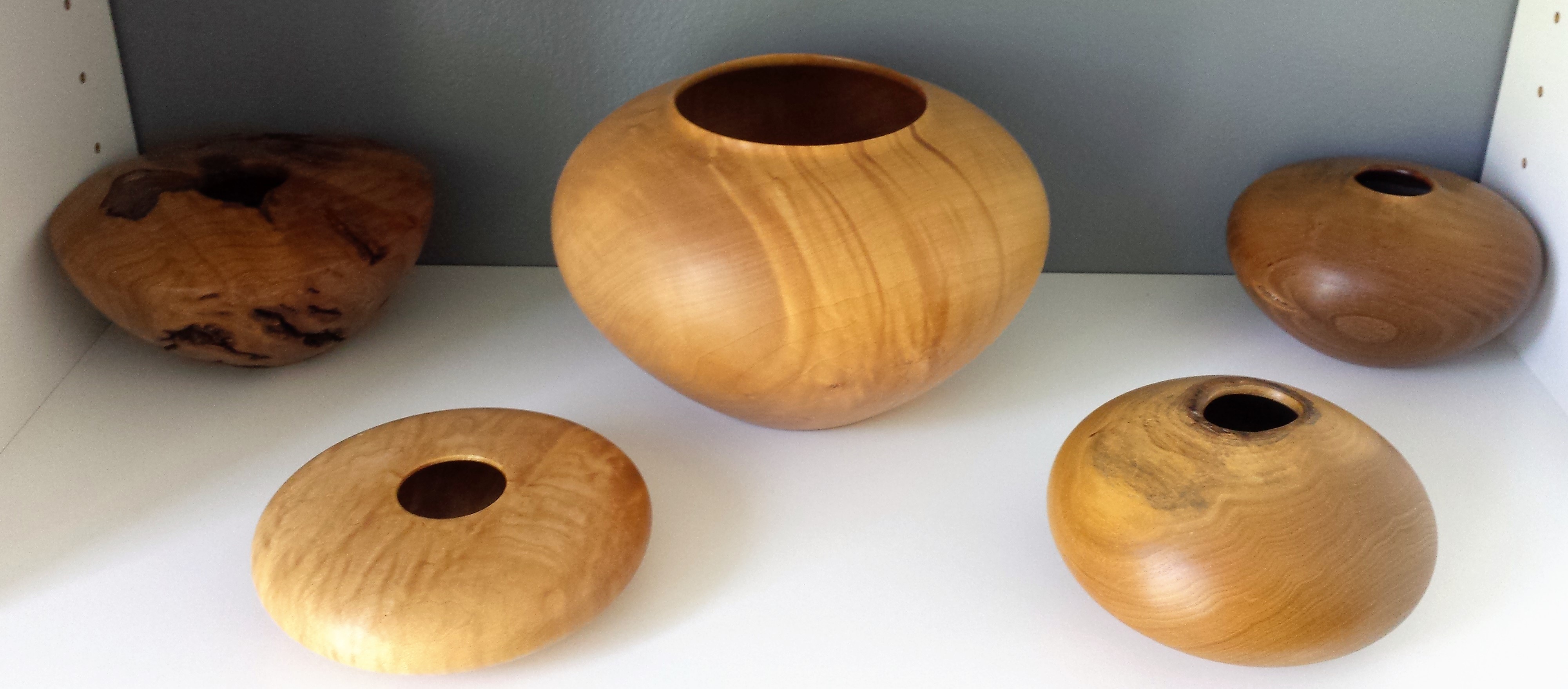
I wanted to get something up on the site so show his work. I haven’t had time to do justice to things, but this photo does a pretty good job of showing my small collection of his fantastic wood bowl art. So here it is for you to see.

John's Bowls

I’m hoping to hear from NB in the near future to share photos of their collection of John’s bowls. They wish to remain anonymous, and as such I will only use their initials and no gender specific pronoun. They will hopefully also provide some commentary on how they acquired John’s bowls.

Posted in John Megin, Woodworking | 2 Comments

Saving Money

I can’t find the quote, but I recall a quote of a tourist asking a Buddhist monk “How do you get to Mount Fuji?” and the monk replied “Take each of your steps in that direction.”

So how do you save money when you use all your take home pay every month? Let’s look at a few of the conveniences we take for granted and how much they cost. Perhaps some of these can be exchanged for others.

I’ll pick on Starbucks coffeehouse. If you go to a Starbucks every day for a cup (or more) of coffee in the morning, you are spending at least $15 a week. If you are like many, you toss $1 bill and the change into the tip jar to get better service and a smile. Not to mention feel good. That’s another $6-8 a week. Thus you are spending about $1,100 a year on one cup a coffee a day.

Staying with the coffee trend, K-cups. They cost $1 each. I brew really good coffee for my wife and myself at $0.75 for four cups. Or less than 20% the cost of using K-cups. Not saving 20%, saving 80% of the cost of K-cup. At $3.25 a day 7 days a week, that saves almost $1,400 a year over using K-cups.

Let me move on before I wrap this up, please bear with me, I’m not saying don’t enjoy your indulgences, rather let’s pick them and decide which are important to us.

The other area, and we all hit this from time-to-time, is paying our bills late. If you pay your credit card bill late, they will hit you with a late fee of between $25 and $35. Do that every month, and it’s $300-$420 a year. Same thing with cable, phone, electric, etc. Those annoying charges can really add up. It’s a law now that your bills have to be due on the same day of the month every month. Get a generic calendar month and write on it when your bills are due, it will really help you, I know it has helped me.

Mobile phone cost. Features, bandwidth, cost of your phone, etc. All of those get rolled into your plan. If you can keep your phone for more than 2 years, don’t buy it as part of the plan, you pay it off after 24 months and then keep paying for it afterwards. It’s like borrowing money for a car, and pay the car off but they keep charging you. Also, call your carrier and tell them you want a better deal. A few months ago I did and got $15 a month taken off my second phone’s monthly charge. Just like that. That’s $180 a year.

Now the biggest monkey in the room. Charge cards. You’ve got to pay them off. Those interest rates are outrageous. Not only do you pay interest on the balance, but you pay interest on all your charges the moment they hit the card, if you carry a balance over. That means every $10 you charge, costs you $12. So you seek those sales that save you 30%, charge it, you’ve saved less than 10%.

So how to do that? This is hard, really hard. First you can’t pay the minimum or you’ll pay it off in 17 years. That’s how the minimum is calculated. Plus you probably charge more each month than the minimum payment. That just keeps letting the balance grow ever larger and ever harder to pay off. If you are really dedicated to paying it off, go to your bank and see if you can get a personal loan to pay it off. If not, go to your credit union (if you have one) and get a card from them, transfer the balance and figure out what it takes to pay it off. Credit union cards typically are 1/2 the interest rate of commercial cards. Then close the account and destroy the old card.

OK, so that’s a few ideas, now what do you do? We want to enjoy our lives, that’s why we buy Starbucks coffee, K-cups, lavish phone plans and charge so much onto our cards. But really, what is most important to you? If Starbucks is worth it, then say that’s an expense I’m not willing to give up. That’s got to be budgeted. Put it in as a line item in your budget spreadsheet. Make it obvious.

Do that with everything you spend money on. You may be surprised that you simply do some things out of habit. Change the habit and reduce the cost.

Lastly, take the savings and put it into two accounts, half-and-half. One long-term savings, the other fun-savings. When the fun savings is big enough, do something you’ve always wanted to do but never thought you’d have enough money for. THAT is your gratification reward. The long-term savings will be your reward when you are older and not working and can still enjoy the things you do today.

Posted in Family Finances, Financial | 1 Comment

Portfolio Rebalancing

This is a very simple thing to do, every financial planner suggests a “periodic” rebalancing of your portfolio yet so many people don’t do it because it sounds complex.

Let’s take my theoretic portfolio from a few days ago:

40% US Stocks
20% Foreign Stocks
10% US bonds
10% Foreign bonds
10% Real Estate
7% CDs
3% Bank savings account

If this had been rebalanced on December 31st to the above, today it might look something like this:

37% US Stocks
18% Foreign Stocks
11% US bonds
11% Foreign bonds
12% Real Estate
7% CDs
4% Bank savings account

In other words, the balanced portfolio we had at the end of last year has gotten skewed. Now we don’t want to rebalance it already, rather we want to make sure we rebalance it at least once a year. Most 401K funds have an option for rebalancing and you can just “set it and forget it.”

Now WHY do you want to do that? The best reason is that when the markets go a particular way for an extended period of time, like the great growth we had leading up to the crash in 2009, our portfolios get really out of balance. That is when I learned my lesson. My small retirement fund I had was 60% stocks in 2008, when I had only put 25% into the stock fund. In other words, the stocks had grown vastly faster than anything else. But I never rebalanced.

Then came the crash of 2009, my stocks became worth about 28% of my portfolio. I had lost 50% of the value in the stocks. All because I didn’t rebalance. If I had rebalanced, my stocks would have probably been worth about 30% of my portfolio when the market crashed. My overall portfolio wouldn’t have been as high at the crash as it was, but I would have been in much better shape.

So what rebalancing does is it keeps our funds at or around what we consider our risk tolerance level. Letting them just run without this adjustment can give us the illusion that we have the money we need for retirement, and then one thing like 2009 and bam it changes everything.

Rebalancing also takes our “profits” in the growing area and puts them into a lower performing fund. That fund, when the stock market cools off, will then likely have gains. So we take dollars from one, put it into the other, and then vice versa.

How do you do it? There is most likely a simple menu choice for manage my funds, where one of the choices is rebalancing. Most offer quarterly, semi-annual, and annual rebalancing. I do mine quarterly, but many financial people say do it annually. So pick what you like. You’ll never hit the market perfectly, the goal here is to just do it so massive changes in your portfolio, like mine, don’t end up hurting your overall retirement picture.

You will likely have to pick the percentages you want for the rebalance, so take your time, get it to what you want, save it and it’ll be good to go.

Posted in Financial, Retirement | Leave a comment